

Status of CBD Laws
CBD, or cannabidiol, grabs attention for its possible health perks and calming vibes. It comes from the hemp plant and doesn’t make you feel high but may help with aches, anxiety, and sleeping problems. The catch is that CBD laws wildly differ depending on where you live, sparking tons of confusion for buyers, sellers, or lawmakers. Some places roll out the red carpet for CBD, while others slam the door shut. Knowing the legal twists and turns feels like having a secret map through a tricky maze. People looking to use CBD smartly need to keep up with these changes because they shape what’s allowed and what’s not. Dive deeper and discover how these shifts might flip your view on this natural remedy, offering insight that could change your whole approach.
The Legalization of Hemp-Derived CBD: In many countries, the legalization of hemp-derived CBD has paved the way for its widespread availability and use. Hemp, a variety of hemp plants containing low levels of THC (the psychoactive compound in hemp), was historically prohibited due to its association with hemp. However, with the passage of the 2018 Farm Bill in the United States and similar legislation in other countries, hemp cultivation and the production of hemp-derived CBD products became legal under certain conditions.
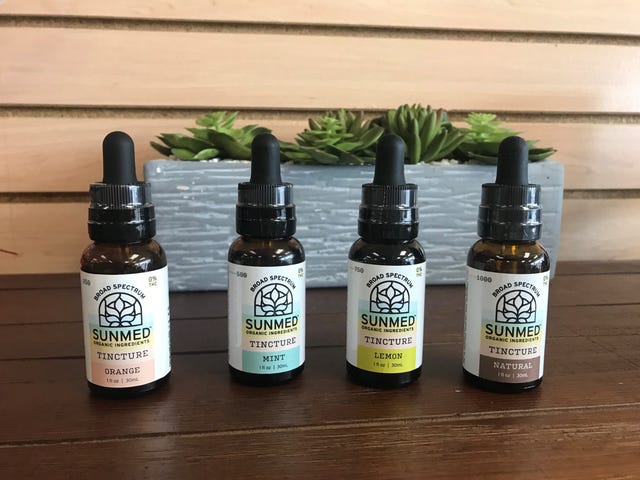
Under the Farm Bill, hemp is defined as hemp containing less than 0.3% THC by dry weight. This distinction allows for the legal cultivation, processing, and sale of hemp and hemp-derived products, including CBD oil, tinctures, capsules, and topicals. As a result, CBD products have become increasingly accessible in retail stores, online marketplaces, and specialty shops across the United States and many other countries where hemp cultivation is permitted.
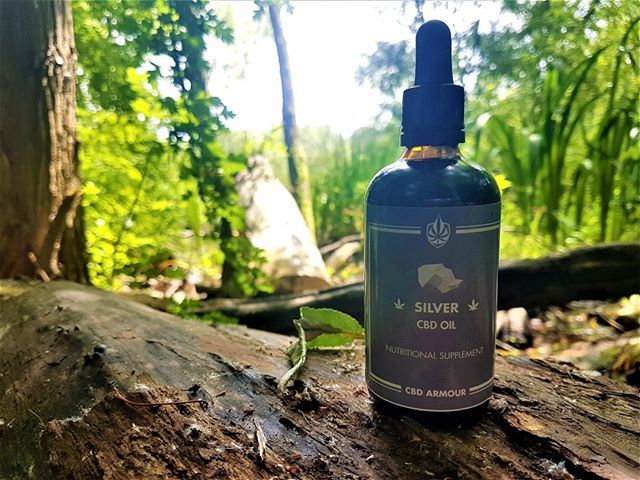
Regulation of CBD Products: Despite the legalization of hemp-derived CBD, the regulatory landscape surrounding CBD products remains complex and fragmented. In the United States, the Food and Drug Administration (FDA) has authority over the regulation of CBD products intended for human consumption, such as dietary supplements, foods, and beverages. However, the FDA has yet to establish clear guidelines for the manufacturing, labeling, and marketing of CBD products, leading to inconsistencies and uncertainty in the market.
In other countries, such as Canada and European Union member states, CBD products are subject to regulation by health agencies and authorities responsible for overseeing food and drug safety. These regulations may vary from country to country, ranging from stringent testing and labeling requirements to outright bans on certain CBD products. As a result, manufacturers and retailers operating in the CBD industry must navigate a complex regulatory framework to ensure compliance with local laws and regulations.
Challenges and Future Outlook: While the legalization of hemp-derived CBD represents a significant milestone for the industry, challenges remain in achieving widespread acceptance and standardization of CBD products. Lack of regulatory clarity, inconsistent enforcement, and concerns about product safety and quality continue to pose barriers to market growth and consumer confidence.
Looking ahead, stakeholders in the CBD industry are advocating for clearer regulations and standards to ensure consumer safety and facilitate market expansion. Efforts to establish comprehensive regulatory frameworks, harmonize international standards, and conduct further research into the safety and efficacy of CBD are underway in many jurisdictions. As awareness of CBD’s potential benefits continues to grow, policymakers, regulators, and industry stakeholders must work together to develop evidence-based policies that support responsible CBD use and foster a thriving and transparent market.
Conclusion: The legalization and regulation of CBD represent a complex and evolving landscape shaped by a myriad of factors, including changing attitudes toward hemp, advances in scientific research, and shifting regulatory priorities. While progress has been made in clarifying the legal status of hemp-derived CBD, challenges remain in achieving consistent regulation and oversight of CBD products when you explore expertise. As policymakers, regulators, and industry stakeholders continue to navigate this dynamic landscape, the goal remains to ensure that CBD products are safe, reliable, and accessible to those who stand to benefit from their use.
 The Psychology of Branding
  Nosboss Cream Chargers for Melbourne Customers
  How to Use Your Air Conditioner
  Yemeni Language in Preserving Cultural Heritage
  Running Seasonal Advertising Campaigns
  Omega-3 for Reducing the Risk of Stroke
  Data processing technologies in E-commerce
  Qualities of an Entrepreneur