

Yemeni Language in Preserving Cultural Heritage
Yemen’s language is not just words spoken in its rugged mountains and old cities—it holds centuries of stories, songs, and traditions like a hidden treasure chest. Every twist in a poem or local dialect keeps the culture alive and buzzing. A simple phrase there can carry dreams and history that stretch back for ages. Losing a language means losing a piece of history forever, like losing a secret recipe that flavors a whole soul. Yemen’s future depends on keeping its language strong because culture and language walk side by side like best friends. This story shows how Yemeni words burst with life and why they must stay alive. Stick around—what unfolds might flip your view of language upside down.
Yemeni Folklore: Stories Passed Down Through Generations
Folklore is the lifeblood of Yemeni cultural heritage. It encompasses a wide range of oral traditions, including myths, legends, proverbs, and fairy tales, all of which are passed down through generations. These stories are not merely entertainment; they embody the values, beliefs, and historical experiences of the Yemeni people.
The Yemeni language is pivotal in preserving this oral tradition. Folktales are often recited in local dialects, each variation reflecting regional nuances and historical influences. For instance, the stories told in Sana’a, the capital, might differ significantly from those in the southern city of Aden or the eastern region of Hadhramaut. These variations offer insights into the regional diversity within Yemen and highlight the importance of the Yemeni language in maintaining the uniqueness of each community’s folklore.
One popular element of Yemeni folklore is the “Qasidah,” a traditional form of poetry that often incorporates historical and mythological themes. These poetic forms are used to recount heroic deeds, local legends, and moral lessons. By engaging with these poetic traditions, Yemenis keep alive the stories of their ancestors and preserve the linguistic nuances of their language.
Yemeni Poetry: A Reflection of Cultural Values
Poetry holds a revered place in Yemeni culture, serving as a medium for expressing emotions, narrating historical events, and articulating social and philosophical ideas. Yemeni poetry is deeply intertwined with the language, using its rhythm, rhyme, and linguistic intricacies to convey powerful messages.
Traditional Yemeni poetry includes various forms such as “Zamr” (a type of epic poetry) and “Maqama” (a form of rhymed prose). These poetic forms are characterized by their elaborate use of language, including intricate metaphors, similes, and allegorical references. The language used in Yemeni poetry is often formal and rich, reflecting the deep cultural and historical context of the verses.
For example, the “Maqamat” of Yemen often narrate the adventures of famous characters, blending historical facts with poetic embellishments. The language of these poems not only provides a window into Yemen’s past but also showcases the evolution of Yemeni Arabic over the centuries. Through the study of these poetic forms, one can trace the historical and cultural shifts that have shaped Yemeni society.
Traditional Practices and Rituals: Language as a Cultural Marker
In addition to folklore and poetry, the Yemeni language is deeply embedded in traditional practices and rituals. From weddings and funerals to festivals and religious ceremonies, language plays a crucial role in the ceremonial aspects of Yemeni life.
For instance, during traditional Yemeni weddings, specific phrases and expressions are used to bless the couple and invoke good fortune. These phrases are often steeped in cultural significance and reflect the linguistic heritage of the region. Similarly, religious ceremonies, such as those associated with Islam and local traditions, employ a particular vocabulary and set of expressions that are unique to Yemeni Arabic.
Rituals and traditional practices also involve the use of specialized terminology that carries cultural meaning. For example, the traditional practice of “Sanaa” (a form of traditional medicine and healing) involves a specialized lexicon that reflects the deep knowledge and practices of Yemeni healers. This specialized language helps in maintaining the cultural significance of these practices and ensures their continuity.
The Challenges of Preserving Yemeni Language and Culture
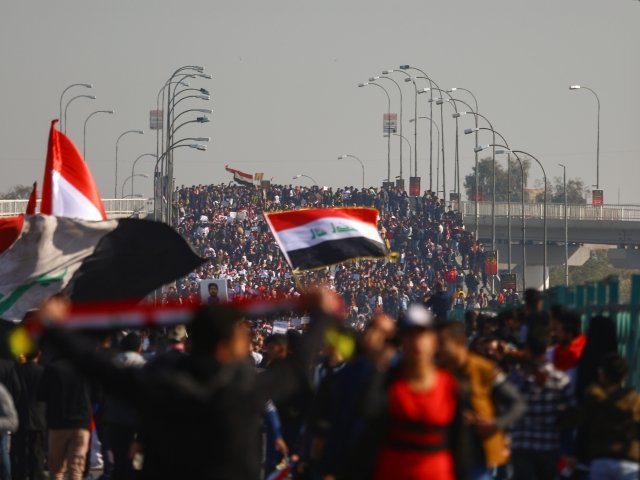
Despite its crucial role in preserving cultural heritage, the Yemeni language faces several challenges. The ongoing conflict and instability in Yemen have led to disruptions in education and cultural practices, posing a threat to the transmission of the Yemeni language and its associated traditions.
Furthermore, globalization and modernization are exerting pressure on traditional languages and dialects. The influence of global languages, such as English and Arabic dialects from other regions, is gradually affecting the use of Yemeni Arabic, particularly among the younger generation.
Efforts are being made to address these challenges. Organizations and cultural activists are working to document and promote Yemeni folklore, poetry, and traditions through various media, including books, recordings, and digital platforms. These initiatives aim to ensure that the Yemeni language and its cultural heritage continue to be valued and preserved for future generations.
Conclusion
The Yemeni language is a cornerstone of Yemen’s cultural heritage, deeply intertwined with its folklore, poetry, and traditional practices. It serves as a living repository of the country’s history, values, and beliefs, and plays a crucial role in preserving the cultural identity of its people.
As Yemen continues to navigate the challenges of modernity and conflict, the preservation of the Yemeni language and its cultural expressions becomes even more critical. By valuing and maintaining the linguistic and cultural heritage, Yemenis ensure that their rich traditions and stories continue to be passed down through generations, offering a vibrant connection to their past and a foundation for their future.
 The Psychology of Branding
  Nosboss Cream Chargers for Melbourne Customers
  How to Use Your Air Conditioner
  Running Seasonal Advertising Campaigns
  Omega-3 for Reducing the Risk of Stroke
  How Electricians Can Help
  Data processing technologies in E-commerce
  Qualities of an Entrepreneur